False Starts, PBs and Race-Walk Shame: A Bluffer’s Dictionary for Birmingham 2026
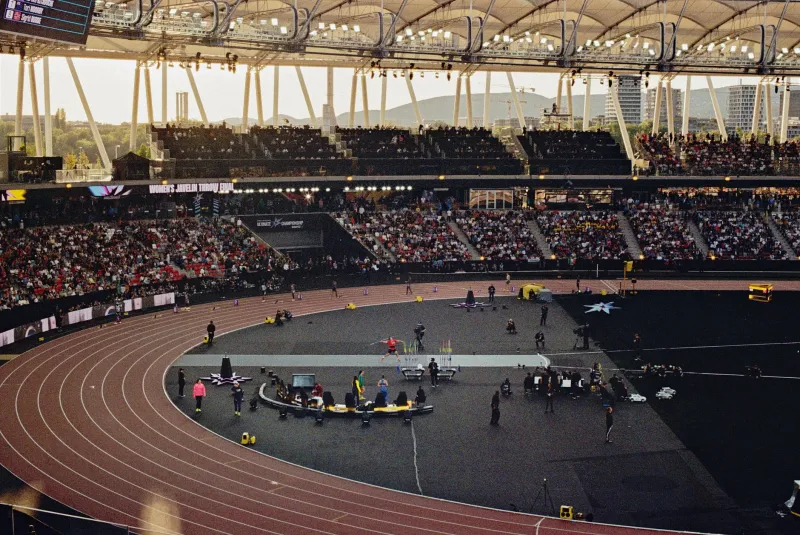
Let’s be honest: athletics on telly can sound like a coded message from a very fit village. You turn on the BBC, a race finishes, and suddenly everyone is talking about a PB, a DQ and a split time while you nod along like you’ve understood a word since the opening credits. Birmingham 2026 will be brilliant, but it will also be loud with jargon. So here’s a pub-friendly decoder for the terms you’ll hear in the Alexander Stadium, on the sofa, and in the queue for a pint.
The Basics: Times, PBs and Personal Bests
1. PB — personal best. Not a peanut butter sandwich. It’s an athlete’s best-ever performance in an event. When a commentator says someone has just run a PB, they mean that person has never been faster in their life. Cue the fist pump.
2. SB — season best. Slightly less dramatic than a PB, but still decent pub ammo. It’s the best an athlete has managed since the season started. Think of it as the difference between your all-time karaoke high score and what you managed last Friday.
3. Split time — the bit-by-bit receipt for a race. Instead of just telling you the final time, a split time tells you how fast someone went through 200 metres, 400 metres or whatever checkpoint. It’s how commentators spot that someone went out too fast and is about to regret it.
4. DQ — disqualified. The athletics equivalent of being chucked out of the pub quiz for reading the answers off your phone. It can happen for a false start, a lane infringement, a baton mishap or a rule break in race walking. It is never good news.
5. DNS — did not start. The athlete was down to compete but didn’t make it to the start line. Could be injury, illness or a late change. It’s the athletics version of saying you’re definitely coming to the party and then not turning up.
6. DNF — did not finish. They started, but they didn’t cross the line. Sometimes it’s injury, sometimes it’s a tactical withdrawal, sometimes it’s just not their day. Either way, it’s a sad little abbreviation.
Race Day Language That Sounds Worse Than It Is
7. False start — someone went before the gun. In most sprint events, one false start and you’re out. Yes, one. The rules are strict, the crowd goes quiet, and the stadium screen does that dramatic zoom-in on someone looking gutted.
8. Lane draw — the athletics version of seat allocation. Sprinters get given lanes, and where you end up can matter. Inside lanes are tighter, outside lanes can be lonelier, and everyone has an opinion about which is best. It’s basically the Ryanair seating policy with more lycra.
9. Photo finish — when the race is so close that the human eye is useless and they have to look at a photo. The scoreboard says ‘photo’, everyone stares at the big screen, and for about thirty seconds the whole stadium forgets how to breathe.
10. Wind reading — a measurement of how helpful or annoying the wind was. If the wind is too strong behind the athletes, times don’t count for records. It’s the sporting equivalent of finding out your best ever round of golf was played with a gale-force tailwind and a dodgy scorecard.
The Weird and Wonderful Events
11. Steeplechase water jump — a race with hurdles and a big puddle. Athletes hurdle barriers, land in a water pit, and carry on looking absolutely shattered. It’s brilliant. It’s also the event most likely to make a first-time fan say, ‘Sorry, they do what?’
12. Race-walk penalties — race walking looks gentle until you realise the judges are watching for ‘lifting’. That means both feet off the ground at the same time, which is not allowed. Judges can hand out cautions and red cards. Get enough red cards and you’re out. It’s Strictly Come Walking, with more jeopardy.
13. Combined-event points — decathlon and heptathlon athletes don’t just collect times and distances; they get points. Every performance is converted into a score, and the winner is the one with the most points overall. It’s like a fantasy football league where everyone has to run, jump and throw.
14. Baton changeover — the relay handover. One runner has to pass a baton to the next inside a marked zone. Do it well and it looks effortless. Do it badly and it looks like a chaotic office Secret Santa. The whole stadium holds its breath.
15. Championship record — the best performance ever at these championships. Not a world record, not a British record, just the best anyone has managed at this particular event. Still very much worth cheering.
The Pub Quiz Round
Five questions. Answers at the bottom. No phones, no shouting over the darts.
- What does PB stand for?
- What’s the difference between DNS and DNF?
- In race walking, what are you not allowed to do?
- What is a split time?
- Why might a wind reading stop a record counting?
Answers: 1. Personal best. 2. DNS means did not start; DNF means did not finish. 3. Have both feet off the ground at once — the dreaded ‘lifting’. 4. The time for part of a race, not the whole thing. 5. If the wind is too strong, it’s considered illegal assistance, so the time can’t count for records.
How to Use This in Birmingham
Chuck a PB into conversation and you’ll sound like you’ve been following athletics since school. Spot a DNF on the big screen and you can solemnly explain it to your mate. But don’t overdo it. Nobody wants a full lecture while they’re trying to find the bar. The best fan guide is curiosity: if you hear a term you don’t know, ask the nearest person in a bucket hat. Birmingham 2026 is for everyone, whether you can name a heptathlete or you’re just here for the atmosphere and the chips.