The Cupboard-Shelf Shortlist: What Birmingham 2026 Merch Is Actually Worth Buying
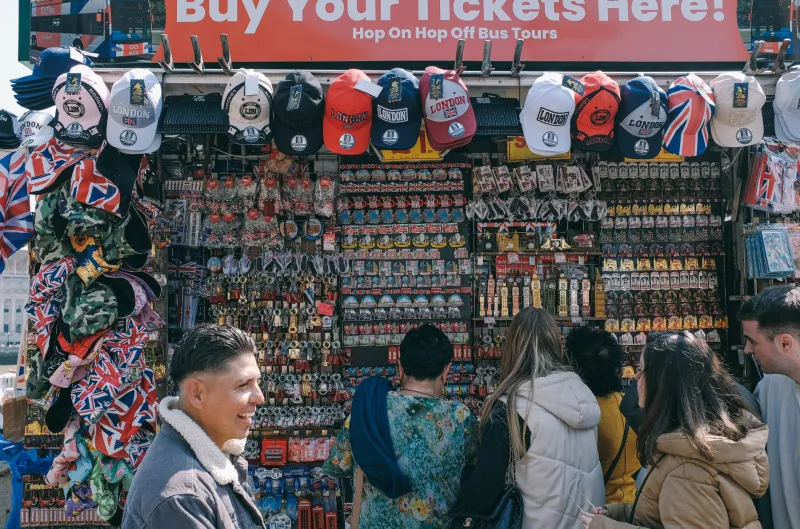
Every big championships produces the same little retail village: a cluster of cabins, a queue for card machines that never quite works, and a wall of kit that looks brilliant under floodlights and slightly tragic in a kitchen cupboard six months later. Birmingham 2026 will be no different. The question for a UK fan with a rucksack, a train ticket and a mild horror of clutter is not whether to buy a souvenir. It is what on earth deserves the shelf.
This is not an anti-merchandise sermon. A good souvenir is a ticket stub with a pulse: it puts you back in the stand every time you see it. A bad one is a £28 regret with a logo peeling off in the wash. Here is how to tell the difference without turning into the person who photographs every price tag and ruins the day.
First, know the merchandise food chain
At a championships like Birmingham 2026 you tend to get four tiers of tat, and they are not created equal. There is the official event shop — usually inside the ticketed zone or a short walk from the main gate — plus city-centre pop-ups, online pre-order before the meet, and the unofficial stalls that appear near stations and tram stops like mushrooms after rain.
The official shop is the safest bet for quality and the worst bet for your budget. The pop-ups are fine for a browse but often carry a narrower range. Online pre-order can be cheaper and calmer, but sizes sell out and delivery dates can be a lottery. The unofficial stalls are where you find the £10 T-shirt that feels like a £10 T-shirt, and occasionally a knock-off that would embarrass a school fete.
The realistic Birmingham 2026 price ladder
Think in pounds, not vibes. At recent major events, official merchandise has tended to land in roughly this territory: a tote bag around £12–£20, a standard cotton T-shirt £25–£35, a hoodie £50–£70, a cap £18–£25, a pin badge £6–£10, a programme £8–£12, a plush mascot £15–£25, a reusable bottle £15–£22 and a lanyard £8–£12. The special-edition stuff — the numbered prints, the ‘tournament gold’ collection, the jacket you would wear exactly once — can push well past £80.
A useful rule: if a stall is within sight of the security queue, add a fiver. If it is inside the venue and has a queue rope, add another fiver. Compare that with the price of the same item online before you leave home. Not everything needs to be a bargain, but nothing needs to be a mugging.
Buy early or wait for the final-day discount?
This is the great merchandise gamble. Buy early and you get your size, your colour and the thing you actually wanted. Wait until the final weekend and you might get 30–50% off — but you will be rifling through XXL leftovers and a bin of mascots with one eye.
The sensible play is a split ticket. Buy the one item you would genuinely regret missing at full price early in the week: a pin badge, a programme, a decent T-shirt in your actual size. Leave the generic stuff — hats, flags, foam fingers, anything with a slogan you have to squint at — until the last day of competition, when the discounts appear and your resistance is lower. Just remember that end-of-meet reductions often mean end-of-meet stock. If you are a medium, do not assume a medium will be there on Sunday.
How to spot knock-off kit without being a bore about it
Unofficial merchandise is not automatically evil. A local stall selling a hand-drawn Birmingham 2026 print is not the same as a bloke with a bin bag of counterfeit hoodies. The difference is quality and honesty. Counterfeit kit usually gives itself away in the details: wonky lettering, a logo that looks like it was drawn from memory, loose stitching, plastic-feeling fabric, tags with no event details, and a seller who only takes cash and vanishes if you ask about returns.
Near New Street and the main approaches to the venue you will see plenty of unofficial stalls. Some are fine for a cheap token. But if you want the real thing, buy from the official shop or a recognised online retailer. And do not pay official prices for a bag of tat from a folding table. That is not a souvenir; that is a cautionary tale.
Luggage maths for the train home
A tote bag folds flat. A pin badge weighs nothing. A programme is heavy but slim. A hoodie is a pillow, a blanket and a luggage-space thief. Before you buy anything bulky, ask yourself whether you are travelling home on a packed CrossCountry service with a rucksack already full of snacks and a damp poncho. If the answer is yes, the giant inflatable mascot is not your friend.
If you do cave, Birmingham has post offices and courier options. Posting a bulky item home can cost less than the physio bill for lugging it across the concourse. And if you buy something truly impulsive, most charity shops will take a clean, unworn item off your hands. One in, one out is a decent rule for souvenir hoarders.
The cupboard-shelf shortlist
After all the price-checking and luggage maths, only a few things tend to survive the journey from championships tat to actual keepsake. The shortlist is short for a reason.
An enamel pin badge is the best-value souvenir in the building: small, cheap, tough, and it looks good on a jacket or a bag long after the results have been forgotten. A programme is worth it if you actually keep programmes; if you are honest and you will bin it in a drawer, skip it. A decent cotton T-shirt in a neutral colour is the wearable option — not the one with the giant cartoon mascot, the one you can wear to the gym in February without explaining yourself. A tea towel sounds deeply unglamorous and is quietly brilliant: useful, flat, cheap to post and impossible to feel guilty about. And a tote bag earns its place if the stitching is decent; if it is thin enough to see daylight through, leave it.
Everything else — the foam finger, the oversized flag, the novelty sunglasses, the hoodie you bought because you were cold at the time — is a maybe at best. The best souvenir is the one that remembers the day without becoming the thing you move house to avoid.