Kerbside Seats, Zero Ticket: The Free Way to Watch Birmingham 2026’s Marathon and Race Walks
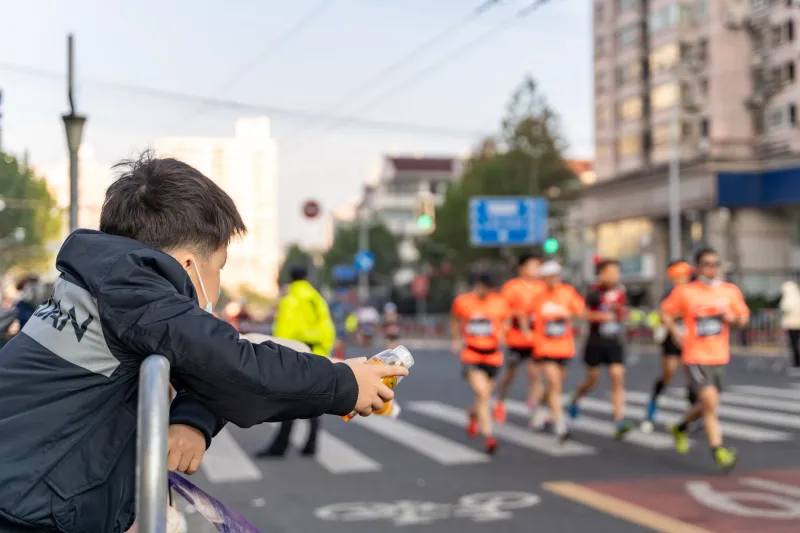
Stadium tickets get the glory, but some of the best drama at Birmingham 2026 will happen with a bus stop in the background and a bloke in a folding chair asking if you’ve got a spare rain poncho. The marathon and race walks are road events: free to watch, close to the action and genuinely brilliant if you plan them properly. The catch is that road racing comes with road closures, crowd pinch points and the sort of transport faff that can turn a lovely morning into a two-hour wait at a bus stop that no longer exists.
So treat this as your kerbside playbook. No ticket, no turnstile, no obligation to buy a £7 tray of chips unless you really want to.
First, read the route like a local bus map
Before you pick a spot, get the official Birmingham 2026 route map and actually look at it. Not a squint on your phone while walking. A proper five-minute sit-down. Work out which way the runners and race walkers travel, where the laps go and which bits of road are closed to traffic.
A looped course is your friend. If the race passes the same junction more than once, you get multiple views for one standing position. A straight-out-and-back route is also useful, but you need to know which side of the road the athletes will be on when they return. Nothing says amateur spectator like cheering a race walker who is actually 200 metres away on the opposite carriageway.
Check crossing points too. Marshals will have enough to do without you trying to nip across the route because your mate’s gone to find a loo. Use the official crossing points, and if there aren’t any nearby, accept that you’ve chosen a side of the street for the duration.
Pick a bend, not a barricade
The best free viewing spots are usually bends, slight rises and kerbs with a bit of depth. A bend gives you a longer look at the athletes, a sense of tactics and a decent angle for photos that don’t just feature the back of someone’s head. A slight slope or a low wall can lift your eyeline above the crowd without turning you into the person blocking everyone behind.
Avoid standing right on the barrier at a tight corner. It’s tempting, but you’ll get a face full of elbow and a marshal asking you to step back. Give the athletes room. Highway races are fast, crowded and occasionally chaotic, and the last thing anyone needs is a spectator’s trainer creeping over the line.
If you’re with kids, pick a wider pavement with a bit of grass or a low wall nearby. Somewhere they can sit when the novelty of clapping wears off. And if you’re with someone who claims they “don’t really get athletics”, a bend is the place to convert them. You see faces, effort, pain and the occasional tactical meltdown. It’s a much easier sell than a distant seat in a stadium bowl.
Time your arrival around the closures
Road events mean early road closures, and Birmingham 2026 will not be making exceptions for your lie-in. Check the official closure times before you travel. The roads around the route may shut well before the first athlete appears, and bus routes will be diverted or stopped. That’s the bit people forget: you can be stranded by a closed bus route even if you never go near the race.
Aim to arrive early enough to walk in, find your spot and get your bearings. Not so early that you’re standing around for two hours in the cold, but early enough that you’re not sprinting after a diverted bus. If you’re coming by train, check which station exits are open and which ones put you on the wrong side of the route. A ten-minute walk on a normal day can become a forty-minute detour when a marathon is going past.
Have a plan B for getting home, too. Road closures are often lifted in stages, and the first trains after the finish will be busy. Pick a station slightly away from the main finish area, or plan to walk twenty minutes to a different stop. It might feel like a faff at the time, but it beats standing in a queue watching everyone else’s phone batteries die.
Pack like a pit lane, not a picnic
This is a free day out, not a festival. You don’t need a hamper, a windbreak and a spare change of trousers. You need layers, a waterproof, suncream, water, snacks and a bin bag or small mat to sit on. British weather will do at least two seasons before lunch, so dress for a cool morning and a surprisingly warm afternoon.
Bring a portable battery for your phone. You’ll use it for the route map, train times and photos of the same bend from slightly different angles. Cash can be useful for the small cafes and corner shops that don’t want to mess about with card readers when there’s a queue out the door. And take a small bag you can keep on your lap or between your feet — rucksacks at the front of a crowd are a nuisance.
Leave the folding chair at home unless you know you’ve got space well back from the barrier. The best roadside viewing is standing, leaning or perching. A cheap poncho is more useful than a fancy seat.
Race walks: the slow-burn charm
Race walks are the secret weapon of a free roadside day. They’re early, they’re repetitive and they reward a bit of patience. Because the pace is lower and the field often strings out, you get a proper look at technique, concentration and the strange, brilliant theatre of a sport where “one foot on the ground” is a matter of honour and official scrutiny.
Find a spot where the walkers pass several times and settle in. You’ll start to recognise faces, notice who looks smooth and who’s starting to labour. It’s the kind of event where a knowledgeable cheer goes a long way. You don’t need to shout technical advice. A simple “come on” and a clap is plenty.
The marathon: pick your moment
The marathon is different. You might only get one look at each runner, so choose a spot where you can see them coming for a decent stretch. That gives you time to read a name, spot a GB vest or just appreciate the fact that someone is running 26.2 miles while you’re deciding whether to have a second coffee.
Don’t stand near a sharp corner with a phone held up in front of your face. Watch the race first, film second. And don’t step into the road for a “better angle”. Marshals are not there to be ignored.
The cheap day out bit
This is the beauty of roadside spectating: the sport is free. Your main costs are travel, snacks and whatever you spend afterwards in a cafe. Bring a flask, bring sandwiches, bring a reusable bottle. You can have a genuinely brilliant championship day for the price of a return train ticket and a bag of scotch eggs.
When the race is done, don’t pile straight into the nearest pub if it’s rammed. Walk a bit further out of the centre, find a quieter cafe or a proper boozer, and let the crowds thin out. That’s the free-spectator’s final move: leave the scramble to everyone else.
Birmingham 2026’s road events won’t give you a seat number or a roof. What they will give you is the closest view of championship endurance sport you can get without a bib. Pick your bend, mind the closures, pack light and cheer loud. The kerb is waiting.