Sprints, Sunburn and Sightlines: A Seat-Picker's Guide to Birmingham 2026
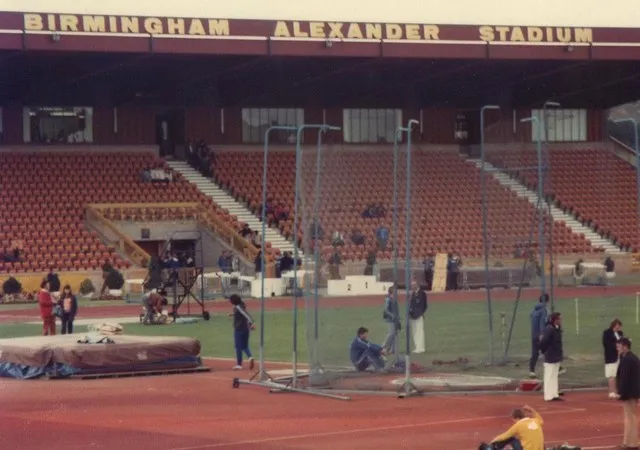
Photo: Michael Westley, CC BY-SA 2.0, via Wikimedia Commons
Buying a single-session ticket for the athletics at Birmingham 2026 should feel like a treat, not a gamble. You pick a day, you pick a session, and then you pick a block. That last bit is where sensible fans start to wobble. Alexander Stadium is a proper athletics venue with a mix of permanent stands and temporary seating, and the difference between a brilliant afternoon and a mildly annoying one can come down to a few rows, a roof edge or a poorly placed stanchion.
This is not a precise block-by-block map of the 2026 seating plan. That map belongs to the ticket provider, and it will be the final word once single-session seats go live. What follows is the logic you can apply to any plan: how to match your seat to your priorities, where the weather is likely to find you, and how to avoid the dreaded pillar view.
Start with the map, not the mood board
Before you fall for a cheap ticket in a corner block, open the official seating plan. Check the block number, the row and whether the listing carries a restricted-view warning. If you are buying resale, ask the seller for the exact block and row, not just a screenshot of a smiling crowd. A seat that looks close to the track on a glossy map can still leave you staring at a roof support while the pole vault final unfolds somewhere to your left.
Alexander Stadium has been reworked since the 2022 Commonwealth Games, so some fans will remember older layouts that no longer apply. Treat 2026 as its own thing. The permanent main stand and the temporary structures will not offer the same experience, and that is fine as long as you know what you are choosing.
The main grandstand: finish-line drama and a roof over your head
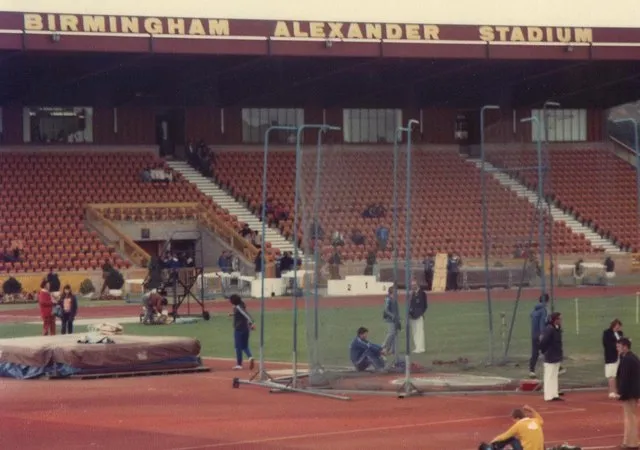
If your priority is the finish line, the big roofed grandstand along the home straight is the obvious first stop. This is where you get the clean view of sprinters crossing the line, relay changeovers going wrong in real time and the medal ceremonies that follow. Higher rows in this stand give you the tactical picture: who is boxed in, who has gone too early, who is about to tie up in the last 20 metres.
Lower rows are more immersive. You hear the spikes, the barked instructions and the crowd noise bouncing off the track. The trade-off is that you may spend more time looking around railings, camera operators and trackside officials. If you want the best of both worlds, aim for the middle of the stand rather than the very front or the very back.
The main stand is also the friendliest option for anyone who wants a roof, easier concourse access or a bit more protection from a passing shower. It will usually be the most expensive part of the ground, and for good reason. This is the seat you buy when the 100m final is the whole point of your trip.
The opposite straight: sprint starts, noise and a different angle
The stand across the track gives you a very different day out. You are likely to be looking at the home straight rather than sitting on top of it, which means the finish line is further away but the start of the sprints and the shape of the race can be clearer. It is often a good spot for fans who like to see the whole track rather than just the blur of the final metres.
This side can also be livelier. Temporary stands tend to have a more improvised atmosphere, and the fans around you may be a mix of serious track nerds, curious locals and people who have come for the day out. It is usually better value than the main grandstand, but check the roof situation carefully. Some blocks will be exposed, and Birmingham in August is not above delivering a sharp shower just as the high jump reaches its climax.
The bends: field-event heaven, finish-line compromise
The curve blocks are where you go if you care more about the pole vault, long jump or discus than the photo finish. Being near a field-event runway can be brilliant: you get the close-up drama, the muttered conversations between athletes and the sudden explosion of noise when a vaulter clears a height. It is also often cheaper, which makes it a sensible choice for families or anyone building a multi-session trip on a budget.
The compromise is obvious. From the bends, the finish line is at an angle, and the sprint finals can feel a bit distant. If you are desperate to see the home straight properly, do not book a curve seat and then spend the session craning your neck. Pick your priority and be honest about it.
Upper rows, lower rows and the aisle question
Higher rows are underrated. They give you a better sense of race tactics, they often catch more breeze and they can keep you out of the way of people constantly moving up and down the stairs. Lower rows are louder and closer, but the front row is not automatically the best seat in the house. Railings, trackside equipment and the sheer number of people walking past can eat into your view.
If you have long legs, a bad knee or a fidgety child, an aisle seat is worth more than a slightly better block. The same goes for anyone who wants a quick exit at the end of the session. Athletics sessions are long, and a seat that is easy to leave is a seat that keeps its value when the final event finishes and 15,000 people all decide to use the same staircase.
Where the sun and rain are likely to find you
A roof is not a force field. It will keep the worst of a shower off you, but it will not stop the sun from swinging round and landing on your face during a late-afternoon session. Depending on which side of the ground you are on, sunglasses and a cap can matter as much as a poncho. Bring both. This is Britain, and the weather does not consult the schedule.
Exposed blocks are brilliant in a heatwave and less brilliant in a downpour. If you are buying for a morning session, think about how cold the stand might feel before the sun has had a chance to warm it up. If you are buying for an evening final, think about whether you will be staring into a low sun. Check the forecast, but also check the stand orientation. A cheap ticket is only cheap if you actually enjoy sitting in it.
The pillar problem, and how to dodge it
Temporary stands can be wonderful. They can also come with roof supports, camera platforms, big-screen gantries and all the other bits of scaffolding that make a major championships work. Restricted-view seats are usually cheaper for a reason. If you are buying one, ask exactly what is in the way. A pillar that blocks the shot put circle may be fine; a pillar that slices the home straight in half is not.
Do not rely on the phrase 'side view' to mean anything useful. Ask for the block, row and seat number, then look for fan photos or seat-view websites. If the ticket office cannot tell you whether a seat has a clear view, that is your answer: buy somewhere else.
Match the block to your priority
If you want the finish line, go for the main grandstand, midway along the home straight and far enough up to see the whole track. If you want pole-vault drama, look at the curve block nearest the runway and accept that the sprints will be a side show. If you want atmosphere, the opposite straight or the lower rows of the home straight will give you noise and proximity. If you want budget, the curves and upper rows are your friends. If you are bringing family, prioritise aisles, toilets and a roof over a perfect sightline.
The final call
Your seat will not make or break Birmingham 2026. The racing will do that. But a bit of thought now means you spend the session watching sport rather than leaning forward to see past a scaffold pole. Open the map, decide what you actually care about, and buy the seat that matches it. Then leave the rest to the athletes.