Your Summer Plus-One: A Sensible-ish Guide to Adopting a Second Nation at Birmingham 2026
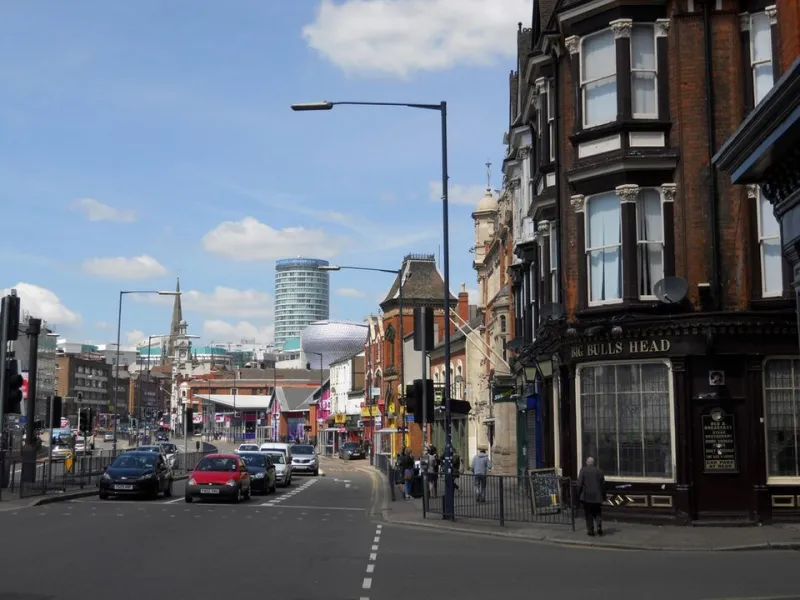
Photo: NH53, CC BY 2.0, via Wikimedia Commons
Being a neutral at a major championships is a bit like turning up to a wedding without a plus-one. You are delighted to be there, the buffet is excellent, but when the speeches start you are clapping politely at strangers. Birmingham 2026 will be full of those moments. A second team—an adopted nation, if you like—gives you someone to shout for when your first loyalty is having a quiet day, or when you simply want a summer fling with another flag.
This is not about ditching your own nation. It is about adding texture. Maybe you are a GB fan who wants a backup for the sessions where Britain has nobody in the final. Maybe you are from a home nation and the team you usually follow is not in the mix. Or maybe you just like the idea of learning three new athlete names and pretending you have followed them for years. All valid. All part of the fun.
The rules of a good adoption
A second team works best when it is treated like a proper summer project, not a last-minute panic buy in the merchandise tent. A few house rules:
- Pick your nation before the first finals session. No mid-championship transfers. That is bandwagon behaviour.
- Learn three names. Not just the superstar. Know a relay runner, a field-eventer and someone with a personal best worth shouting about.
- Buy no more than one item of kit, and only if it is under £20. A scarf is plenty. A full replica tracksuit is a cry for help.
- Never boo your first team. This is a plus-one, not a coup.
- Have one cultural fact ready. A food fact counts. Nobody expects a dissertation.
Five adoptable squads, with honest small print
Ireland
Pros: the easiest away day from the UK, a green kit that stands out in any crowd, and a fan culture built on good humour rather than grim intensity. Ireland often give you the joy of a small squad punching above its weight, which is exactly what a neutral wants.
Cons: you will be accused of adopting them purely because the ferry is cheap. You will also end up in a pub explaining the rules of a different sport to a stranger. Neither is a dealbreaker.
Best for: fans who like a bit of craic, a clear underdog and a team that feels like a neighbour rather than a stranger.
Netherlands
Pros: orange is impossible to lose in a crowd, which is useful when you need to find your people after a toilet break. The Dutch usually bring a strong middle-distance and relay presence, plus a fan culture that treats a championships like a movable festival. The kit is also genuinely excellent.
Cons: the orange army is a commitment. You will need to learn the words to at least one chant, or at least master the art of nodding along. There is also a serious risk of developing a stroopwafel habit that outlasts the summer.
Best for: fans who want colour, noise and a squad with enough medal chances to keep the group chat lively.
Norway
Pros: a proper distance-running heritage, a clean blue-and-red kit, and a fanbase that seems to enjoy the sport without making it a personality test. Norway gives you the satisfaction of backing a nation that is good at the bits of the sport that hurt the most.
Cons: Birmingham will feel suspiciously cheap after a weekend of Oslo prices, which is dangerous for your pint budget. You may also find yourself explaining cross-country skiing to a baffled stranger in a Perry Barr pub.
Best for: fans who like endurance, understated confidence and a team that quietly gets on with it.
Portugal
Pros: underdog energy, a red-and-green kit, and a squad that often saves its best for the big occasion. Portugal also has the best pastry-based argument of the lot, which matters more than you think when you are choosing a team in a city with excellent cafés.
Cons: a smaller squad means fewer medal chances, so you will need patience. You will also have to resist the urge to announce that you have always loved Portuguese athletics after one good run in a heat.
Best for: fans who want a genuinely adoptable underdog and a culinary tie-breaker they can defend in the pub.
Spain
Pros: race walks, middle-distance grit, a red kit that looks brilliant in a stadium, and a fan culture that understands a championships is a long game. Spain gives you plenty of events to follow and a nice line in dramatic finishes.
Cons: the schedule can keep you up late, and the temptation to book a return flight after one sunny afternoon is real. You may also need to learn the difference between good-natured noise and full-blown football-style intensity. It is usually the former. Usually.
Best for: fans who want a bit of theatre, a strong all-round squad and a team that will make the final session feel like an event.
The pastry tie-breaker
If two nations are level on kit, vibe and medal potential, go with the one that has a bakery near your hotel. This is not a joke. Birmingham has a brilliant independent food scene, and a second team is much easier to love when you can toast their success with a custard tart or a decent coffee. The Portuguese cafés alone make a strong case. The Dutch have the stroopwafel. The Spanish have the late-night churros. The Irish have the pub. The Norwegians have the smug satisfaction of knowing their pastries cost more than your train fare.
This is how neutral fandom works. It is not scientific. It is a vibe, a flag and a snack.
How to be a good adopt-a-fan
Do not pretend you have supported them since childhood. Nobody believes you, and the actual fans can smell it. Instead, be honest: you are a neutral who has chosen to spend the summer with them. Ask questions. Cheer personal bests. Learn the anthem if you like, but do not mumble loudly through it like a man pretending to know the words to a hymn.
Also, remember the golden rule: your first team still comes first. If your adopted nation beats your own, you are allowed one quiet fist pump and absolutely no gloating. This is a summer fling, not a defection.
Why it is secretly brilliant
The real joy of adopting a second team is that it gives you a reason to care about events you might otherwise skip. You will find yourself watching the second heat of the 3,000m steeplechase because your adopted nation has a runner in it. You will learn a new flag, a new anthem and a new way of complaining about the weather. You will leave Birmingham with a slightly wider idea of what a European summer can be.
And if your first team has a brilliant week, even better. You will have two sets of celebrations, two sets of nerves and twice the reason to stay for the last session. That is not disloyalty. That is just good event planning.
So go on. Pick a nation. Learn three names. Buy a scarf. Have a pastry. Birmingham 2026 is better with a plus-one.