Rail Fares, Bunk Beds and £8 Beers: The Real Cost of a UK Fan’s 2026 European Summer
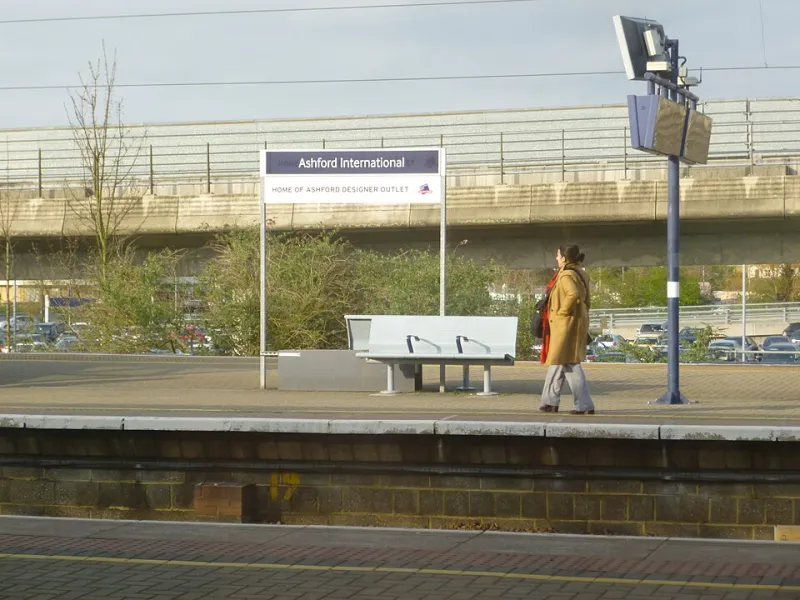
Photo: Richard Humphrey , CC BY-SA 2.0, via Wikimedia Commons
Let’s be honest: the phrase ‘European championships’ usually arrives with a mental price tag featuring flights, hotels and a round of drinks that requires its own finance package. But a smart UK fan can still do a meaningful 2026 trip for around £500 — not a month-long bender, but four or five nights in one well-chosen city, with one or two matchdays or fan-zone days as the centrepiece. The trick is to treat the trip like a fixture list: decide what you actually want to see, then build the cheapest sensible route around it.
Start with one city, not the whole continent
The biggest budget killer isn’t beer. It’s ambition. Trying to ‘do’ three host cities in five days means paying for last-minute trains, luggage lockers and the sort of accommodation that charges by the hour. Pick one city with a decent fan zone, a walkable centre and a station that doesn’t require a second mortgage. If you’re chasing a specific fixture, build the trip around that fixture and accept that you’ll miss something else. The championships will still be there on TV in the fan zone.
Rail: London is easy, the regions are cheaper than you think
From London, Eurostar remains the default. Book early and a return to Brussels or Paris can cost less than a decent night out in Shoreditch; leave it late and you’ll be quoted numbers that make you check you haven’t accidentally selected first class. Set a fare alert, travel on a Tuesday or Wednesday if you can, and avoid the Friday-evening exodus.
From regional hubs, the trick is to split the journey. An advance LNER or Avanti ticket from Newcastle, Manchester, Leeds or Edinburgh to London can be £25–£45 each way if you book weeks ahead. Add the Eurostar and you’re still often under the price of a peak-time flight plus baggage. The trade-off is time: a regional-to-London-to-Europe rail day is long, so don’t book it on the same day as a match unless you enjoy adrenaline.
For a genuine rail-only alternative, look at ferry-plus-train routes from Hull or Newcastle to the Netherlands, then onward by train. It’s slower, but it can be cheaper for groups and it gives you a story. Just check the foot-passenger connections; they’re not always as joined-up as the website suggests.
Beds: think hostel, halls and the wrong side of the river
Budget beds near major venues disappear fast. Aim for a hostel dorm, a university hall of residence or a budget chain a couple of tram stops out of the centre. A clean dorm bed for four nights can be £120–£180; a basic private room will push £250–£350. The savings come from being near a metro line rather than near the stadium. If you’re travelling with mates, an apartment outside the fan-zone postcode can work out cheaper per head — but check the cancellation policy before you commit.
Fan zones: free entry, expensive everything else
Most official fan zones don’t charge admission, which is the good news. The bad news is that the official beer, the official scarf and the official plastic poncho are priced for people who have just watched a penalty shootout. Set a daily fan-zone budget and stick to it. Eat before you go, carry a refillable bottle if allowed, and treat the merchandise stall as a museum. If you want a shirt, buy it before the trip or wait for the end-of-tournament discounts.
Food and drink: supermarket picnic, one proper meal
A realistic food-and-drink budget is £25–£35 a day if you’re careful. That means breakfast from a supermarket, a picnic lunch in a park or square, and one proper meal. Look for lunchtime menus, market stalls and bakeries rather than the restaurants with photos of paella on the pavement. In the fan zone, buy one round and then mysteriously develop a preference for water. Your wallet will thank you.
Mobile data: the silent budget leak
Post-Brexit roaming isn’t the horror story some people predicted, but it isn’t free either. Check your network’s daily charge before you travel, and consider a local eSIM or a short data add-on if you’re heavy on maps and messages. Turn off app updates, download offline maps, and don’t stream the match on your phone while sitting in a fan zone with free Wi-Fi. The classic trap is a ‘quick’ 20-minute video that costs more than a stadium hot dog.
A realistic £500 skeleton
Here’s a four-night rail trip from a regional UK hub, staying in a hostel and eating sensibly:
- Regional advance rail to London and back: £50–£90
- Eurostar return: £90–£160
- Four hostel nights: £120–£180
- Food and drink: £100–£140
- Local transport and data: £20–£30
That lands around £380–£600 depending on dates and discipline. You won’t be staying in the penthouse, but you will be in the crowd, singing the wrong words and pretending you know the tram map. That’s the point.
Fixture-friendly planning beats penny-pinching
Finally, book with flexibility in mind. Check the last train before you commit to a late kick-off, keep one night refundable if you can, and don’t schedule a 7am departure after a match that could go to extra time. The best budget trip isn’t the cheapest on paper; it’s the one where you’re not sprinting for a replacement bus at midnight. Start with one city, one fixture and one sensible bed. The £500 summer is tighter than a back four, but it’s still onside.